ENGIE signs a 10-year Biomethane Purchase Agreement with PepsiCo, its first in the United Kingdom
Our Media Kit
21/01/2026
ENGIE starts building a biomethane facility with an annual production capacity of 60 GWh in the North of England, with all green gas output contracted through PepsiCo’s Biomethane Purchase Agreement via mass balance approach.
UK’s first food and drink industry Biomethane Purchase Agreement expected to help reduce PepsiCo UK’s emissions by over 10,900 tonnes a year.
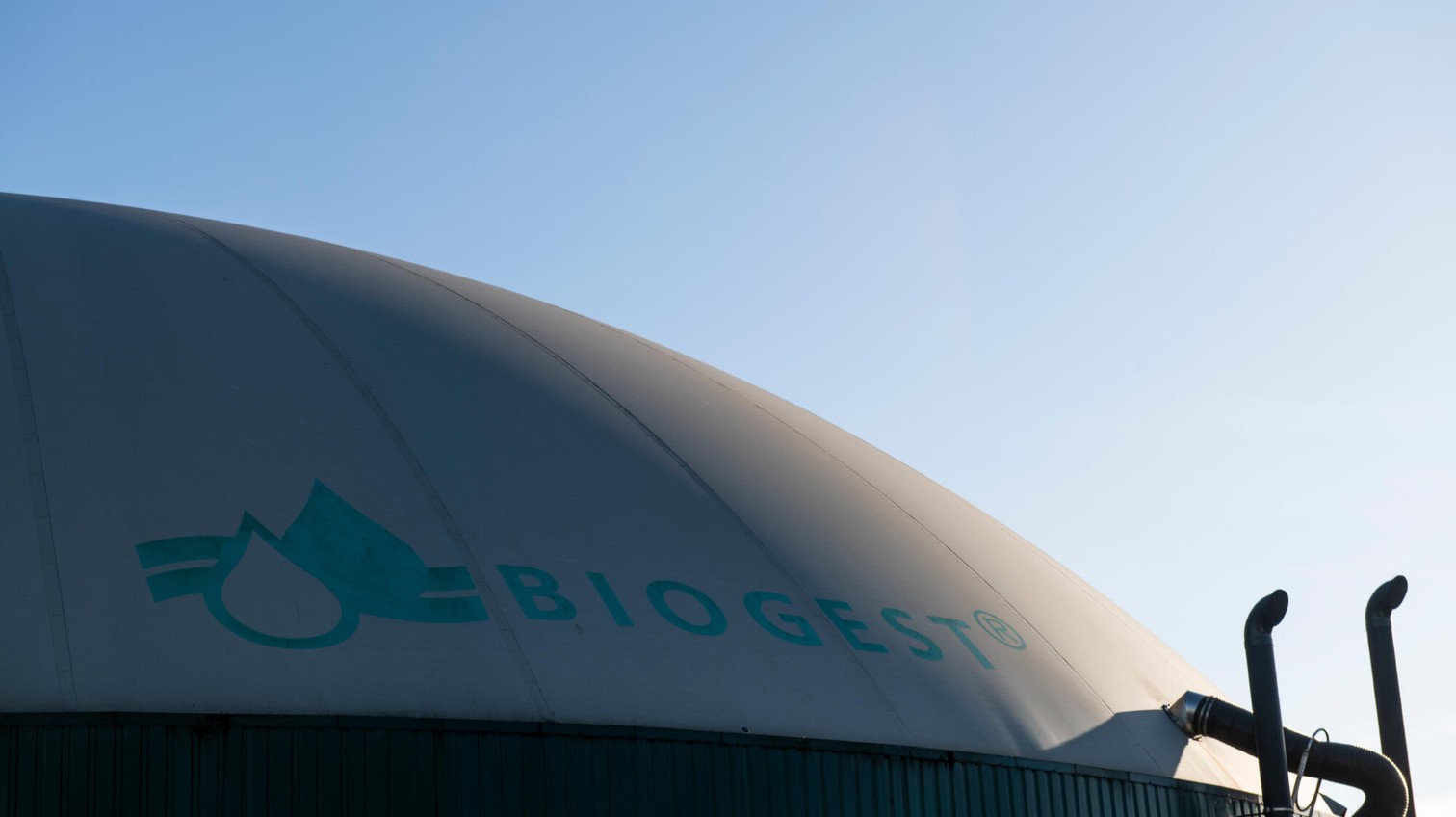
ENGIE announced today a 10-year Biomethane Purchase Agreement (BPA) with PepsiCo UK, the first of its kind for the UK food and drink industry and a first for PepsiCo across EMEA. As part of this BPA, ENGIE will build a new anaerobic digestion (AD) plant, which will supply 60 GWh of biomethane annually to PepsiCo's supply chain, equivalent to the gas consumption of over 5,000 households. This contract, which will begin in 2027 once the plant running, will help PepsiCo UK progress further on its decarbonization journey. The green gas generated by ENGIE is anticipated to help reduce PepsiCo UK’s CO₂ emissions by over 10,900 tons per year[1].
In the country, ENGIE already operates 4 anaerobic digestion plants, located in the southwest of England, and injects over 210 GWh of biomethane per year into the gas network, thereby helping to strengthen the country's energy sovereignty through more locally produced green gas, and supporting the effective decarbonization of British industry. Committed to supporting the development of this renewable energy source, the Group intends to develop new biomethane projects locally, including on existing sites.
“This new project illustrates ENGIE's strategy to accelerate the development of biomethane for Industry through long term Biomethane purchase agreement (BPA), which is essential to Europe's energy sovereignty and the decarbonization of its economy. It also strengthens the Group's position as a leading player in biomethane in the United Kingdom, a promising country for biomethane production in Europe. This new project will contribute to our ambitious goal of reaching 10 TWh of annual biomethane production capacity in Europe.” said Cécile Prévieu, ENGIE’s Executive Vice President in charge of Networks activities.
Sian Hamson, Sustainability Senior Manager, PepsiCo UK said: “As part of our PepsiCo Positive (pep+) ambitions, reducing our greenhouse gas emissions remains a key priority within our UK operations. As a low carbon, domestically produced energy source, biomethane will be a key lever in our broader decarbonisation strategy and we’re proud to be partnering with ENGIE as they build this facility and drive additional biogas into the UK network.”
Lord Whitehead, Minister for Energy Security and Net Zero, said: “This £70 million investment in clean energy will drive growth across the North of England. Biomethane production and partnerships between companies such as Engie and PepsiCo show that industry is backing this government's mission for clean, homegrown energy.”
ENGIE currently operates 1.2 TWh of annual biomethane production capacity across 42 sites in France, England, Belgium and the Netherlands. The Group also supplies over 7 TWh of green gas solutions to its customers with an ambition to increase it to 30TWh by 2030.
***
Building on its long experience of working with local communities, all ENGIE’s AD plants in the United Kingdom are fed by locally sourced, sustainable feedstock notably agricultural waste and rotation crops. The Group is working in partnership with farmers to offer them a regular source of income and providing them with digestate – a rich, organic soil enhancer that’s a natural byproduct of the AD process – supporting circular economy in the community.
Biomethane is a 100% renewable alternative to natural gas, produced from the anaerodic digestion of organic waste and residues, resulting in the same molecule. Its use therefore doesn’t require any technical upgrades of gas networks, installations or industrial processes for the user. It is an important enabler of the energy transition as it reduces carbon emissions by at least 80% compared to natural gas - based on life cycle analysis - while also improving air quality.
Footnotes
- Compared to a 2022 baseline ↑